

Samsung just dropped its slimmest flagship ever; and it’s already turning heads. It is now available for pre-order. It hasn’t hit shelves yet. No one’s using it in the wild. So this is not a review.
But that doesn’t mean we can’t talk about it.
I’ve been following its specs, launch presentation, and hands-on previews. What I’m sharing here are informed thoughts based on what we know. And a few things Samsung would prefer you not think too hard about.
Let’s break it down.

The sleek profile of the Galaxy S25 Edge
The Design: Slim but Practical?
The S25 Edge is being pitched as the slimmest Galaxy ever, at just 5.8 mm thick.
Samsung’s calling it a design-first flagship. The edges are flat. The body is wrapped in titanium. There’s a 200 MP main camera, a massive 6.7″ AMOLED screen, and of course, it runs on the Snapdragon 8 Gen 4 Elite chip, optimized for Samsung devices.
Pre-orders start around ₹1,10,000 for the 256 GB variant.
So far, so premium. But should you care?
Let’s walk through the hardware, the promises, and how this sits in Samsung’s now crowded S25 lineup.

What Samsung Says This Phone Is

Samsung’s commitment to 5.8mm thickness. Are we sure this is practical?
At 5.8 mm, the S25 Edge is thinner than most mid range phones from five years ago. It’s also thinner than the regular S25, which itself was already quite slim.
Why does this matter?
- It looks good in photos.
- It feels futuristic.
- It slips into pockets more easily.
But thinner phones come with compromises:
- Battery life could take a huge hit.
- The camera module bulges more now—physics doesn’t scale.
- You lose headphone jack, again. Not really a surprise at this point.
- Durability is a question mark—even with titanium.
- Heat Dissipation: Though Samsung has engineered a thinner vapor chamber cooling system, I believe it would be insufficient, given the design. But let us not drive into conclusions before real world tests
Yes, it’s striking. But this feels like Samsung flexing design rather than solving problems.
Where Does the S25 Edge Fit?
I feel like the S25 Edge feels like Samsung’s answer to a question no one really asked. It’s thinner and lighter than both the S25+ and S25 Ultra—just 5.8 mm and 163 g—but that comes with compromises. You get the same 200 MP main camera as the Ultra, sure, but no telephoto lens. The battery is just 3,900 mAh, smaller than any other model in the lineup. It’s also expected to cost more than the S25+, raising eyebrows about value. If anything, the Edge looks like a design experiment—one aimed at those who care more about looks and pocket feel than all-day performance or camera flexibility. Samsung may be trying to revive the ‘Edge’ branding here, but it’s not yet clear who exactly this model is for.

Different color options for the new S25 Edge
Specs That Impress (on Paper)
Display: 6.7-inch AMOLED, 1440 x 3120 pixels, 120 Hz refresh rate, HDR 10+ support
Processor: Qualcomm Snapdragon 8 Elite for Galaxy (3 nm)
RAM: 12 GB LPDDR5X
Storage: 256 GB / 512 GB UFS 4.0 (non-expandable)
Rear Cameras:
200 MP main sensor (f/1.7, OIS), 12 MP ultra-wide sensor (f/2.2)
Front Camera: 12 MP (f/2.2)
Battery: 3,900 mAh with 25 W wired and 15 W wireless charging
Dimensions: 159 x 76 x 5.84 mm
Weight: 163 grams
Build: Titanium frame, Gorilla Glass Ceramic 2 front, Gorilla Glass Victus 2 back
Operating System: Android 15 with One UI 7
Other Features: IP 68 water and dust resistance, ultrasonic under-display fingerprint sensor, stereo speakers, Samsung DeX support
How It Compares: S25 Edge vs Other Flagships
Let’s bring in the competition. These are phones you’ll likely consider if you’re willing to spend ₹1L+:
| Phone | Price | Key Features | Trade-offs | Purchase link |
|---|---|---|---|---|
| Samsung Galaxy S25+ | ₹1,00,000 (256 GB) | Balanced flagship with a high-resolution 6.7″ LTPO AMOLED display and robust battery life. | Lacks periscope zoom and has a lower-resolution ultra wide camera compared to competitors. | click here |
| iPhone 16 Pro | ₹1,09,000 (128 GB) | A 18 Pro chip delivers top-tier performance with long-term iOS support. | Base model offers only 128 GB storage and slower charging speeds compared to rivals. | click here |
| Pixel 9 Pro | ₹1,00,000 (256 GB) | Exceptional camera system with 50 MP main, 48 MP ultra wide, and 48 MP telephoto lenses. | Tensor G4 chip may not match competitors in raw performance and power efficiency. | click here |
| OnePlus 13 | ₹70,000 (256 GB) | Flagship-grade display, fast charging, and a surprisingly solid triple camera setup. | Software experience can feel less refined due to OxygenOS bloat or quirks. | click here |
| Samsung S25 Edge | ₹1,10,000(est.) | Ultra-slim design (5.8mm, 163g) with a 200 MP main camera and QHD+ AMOLED display. | Smaller 3,900mAh battery and absence of a telephoto lens may affect versatility. | (pre order) |
What’s New With Galaxy AI?
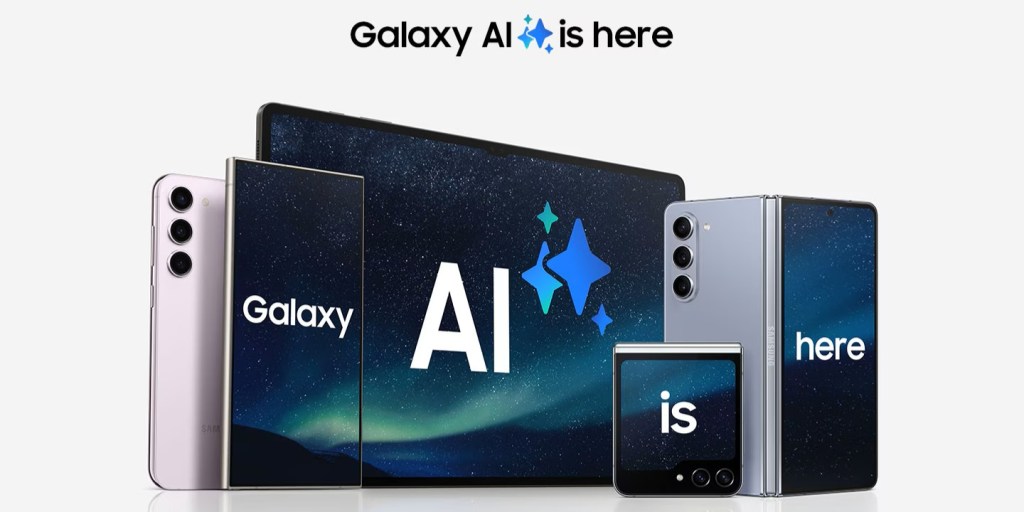
Galaxy AI is a key feature across the latest Samsung ecosystem
Samsung is pushing Galaxy AI hard this year. The S25 Edge gets the same features as other S25 models:
1. Enhanced Productivity Tools
- Now Bar & Now Brief: These tools provide contextual updates and app-based information directly on the lock screen, enhancing user engagement without unlocking the device.
- Circle to Search: An improved visual search feature allowing users to circle content on their screen to initiate a search, now with enhanced accuracy and speed.
2. Advanced Creative Assistance
- Drawing Assist: Utilizes AI to transform rough sketches into polished images, aiding users in creative tasks.
- Writing Assist: Offers context-aware suggestions and corrections, streamlining the writing process across various applications.
3. Improved Communication Features
- Call Transcriptions: Automatically transcribes voice calls in real-time, assisting in record-keeping and accessibility.
- Audio Eraser: Removes background noise from audio recordings, ensuring clearer sound quality.
4. Photography Enhancements
- AI Nightography: Enhances low-light photography by reducing noise and improving detail in nighttime shots.
- ProScaler Imaging: Upscales images intelligently, preserving quality while increasing resolution.
5. Integration with Wearables
- Gemini AI Integration: Samsung’s wearables now support Gemini AI, enabling hands-free assistance through voice commands and gestures.
⚠️ Important Consideration
Samsung has announced that Galaxy AI features will be available for free on supported devices until the end of 2025. Post this period, certain functionalities may transition to a paid model
Glossary: Simple Explanations for the Jargon
- Snapdragon 8 Elite: The chip that runs the phone. Fast and efficient, made for gaming and multitasking.
- LPDDR5X: is a type of low-power DRAM (Dynamic Random Access Memory) designed specifically for mobile devices, laptops, and ultra-thin systems that need fast memory with efficient power usage. “LP” = Low Power, “DDR” = Double Data Rate, “5X” = version.
- Dynamic AMOLED 2X: Samsung’s display tech. Deep blacks, high contrast, great brightness.
- UFS 4.0: UFS stands for Universal Flash Storage. It’s the type of internal storage used in smartphones and other devices. Fast storage for quick app loading and data access.
- Galaxy AI: Samsung’s new set of smart features powered by local and cloud AI.
- Refresh rate: Refresh rate is how many times your screen updates per second.
The screen adjusts how often it updates to save battery and stay smooth. Higher refresh rate = smoother motion. - IP 68 rating: Ingress Protection (IP) rating tells you how dust proof and water-resistant a device is. It uses two numbers: IP [Dust] [Water]. So here, IP 68 = Fully dust proof + survives deep water immersion (upto 1.5 m)
The Ecosystem Factor
If you already use a Galaxy Watch, Galaxy Buds, or a Samsung tablet, the Edge fits in nicely.
- One UI makes syncing seamless.
- Samsung Wallet now supports more UPI options and travel passes.
- DeX mode (desktop-style mode) is still included.
But this is true for every phone in the S25 line, not just the Edge.
You don’t gain more ecosystem features. You’re paying more for how the phone feels and looks—not how it works with other devices.
So, Should You Pre-Order?
Let’s not rush this.
Reasons you might pre-order:
- You want the slimmest flagship on the market
- You trust Samsung and always upgrade to their latest
- You already sold your old phone and need a new one soon
- You value design over battery or zoom features
Reasons to wait:
- No hands-on reviews yet: Real-world heat, camera, and battery results are unknown
- Cheaper flagships do 90% of the same things
- The S25+ offers more for not much more money
If you ask me, the Pixel 9 Pro, OnePlus 13 or even Samsung’s S25+ offer better cameras and battery for the said price or even less.
Final Thoughts: Who Should Actually Consider This?
If you’re the kind of person who:
- Upgrades every year
- Prefers lighter, thinner phones
- Uses your phone for general productivity, not hardcore photography or gaming
- Already lives inside Samsung’s ecosystem
…the Galaxy S25 Edge might suit you.
But for everyone else—especially those coming from a phone less than two years old—the smarter move is to wait.
Wait for the reviews.
Wait for the real-life battery tests.
Wait for price drops after launch.
A good phone doesn’t rush you. Neither should you rush to buy it.

 Plugs n Jacks
Leave a comment