
I’ve always been into phones. Back in school, I’d spend hours checking specs online, reading forums, and waiting for new launches. By the time I entered college in 2016, smartphones were already everywhere. Samsung had its Galaxies. Apple had its iPhones. OnePlus was the new favorite. Then came something different: the Google Pixel. I couldn’t afford it, but I remember watching YouTubers rave about the software experience and the camera. Every launch since then felt like a new chapter in a story I wanted to be part of.
I didn’t actually own a Pixel until the 6 Pro in 2021. Since then, I’ve stuck with the series. I’ve moved from the 6 Pro to the 7. Now I’m on the 8 Pro. From the outside looking in to actually being part of the journey; it’s been a fun ride. And over ten years, the Pixel has grown into something more polished, more reliable, and finally, more complete.
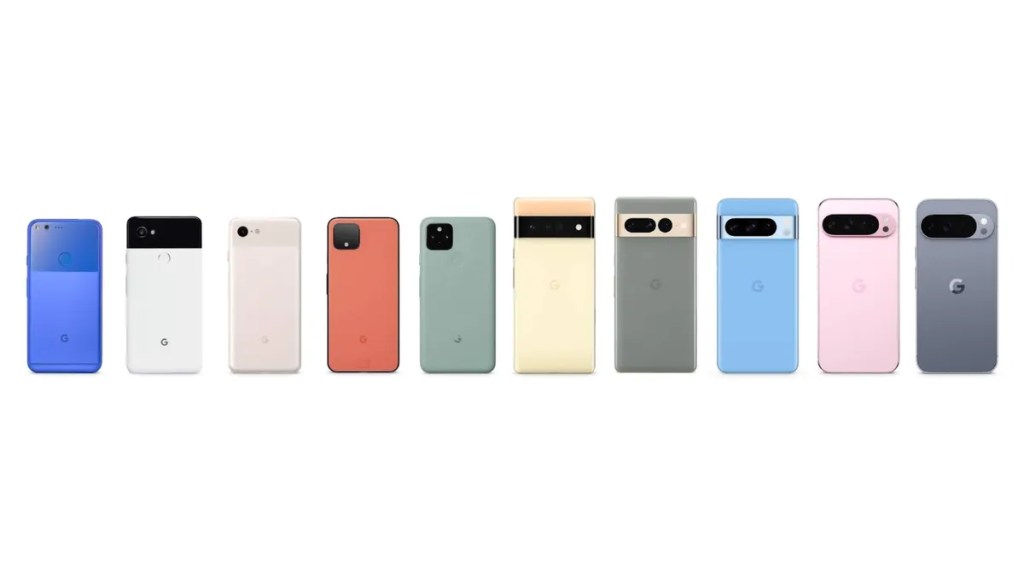
Pixel 1: A New Beginning (2016)
Before Pixel, there was Nexus. Google partnered with brands like HTC, LG, and Huawei to sell affordable phones that ran clean Android. No unnecessary apps, no Ads, just clean and optimized software experience. The series lasted from 2010 to 2015. It always felt like a side project. It never seemed like a true flagship line.
With the Nexus era over, Google wanted full control, and the Pixel was born.
- Pure Android experience with guaranteed updates.
- A camera that used AI and HDR+ to beat phones with better hardware.
- Google Assistant making its debut.
The design was rather plain, the bezels chunky, and the price was higher than expected. Still, the Pixel 1 proved that software could outshine hardware. It wasn’t flashy, but it was smart. Just like me, or maybe not.
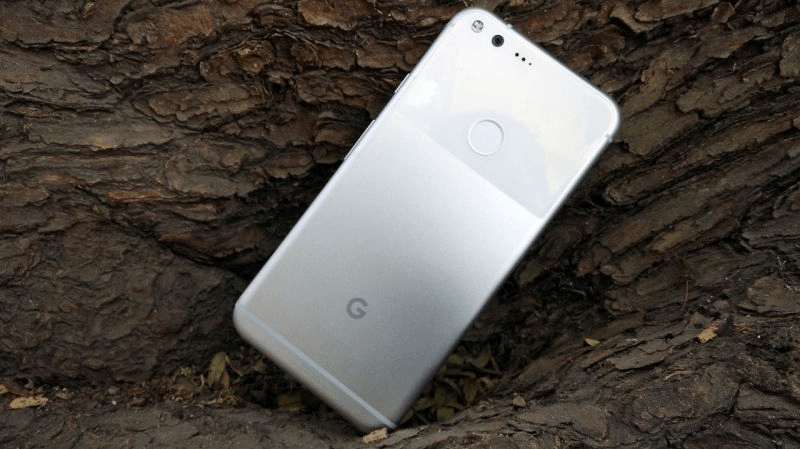
Pixel 2: Smarter Photos, Louder Speakers (2017)
With the Pixel 2 and 2 XL, Google doubled down on cameras.
- Portrait mode with a single lens.
- Front-firing stereo speakers.
- Smooth and clean Android Oreo.
But it wasn’t perfect. The Pixel 2 XL’s OLED screen had blue tint issues and burn-in problems. Battery life was just okay. Still, people forgave it because the camera was that good.
Google had set a new standard: smart photography wasn’t about extra lenses, it was about smart software.
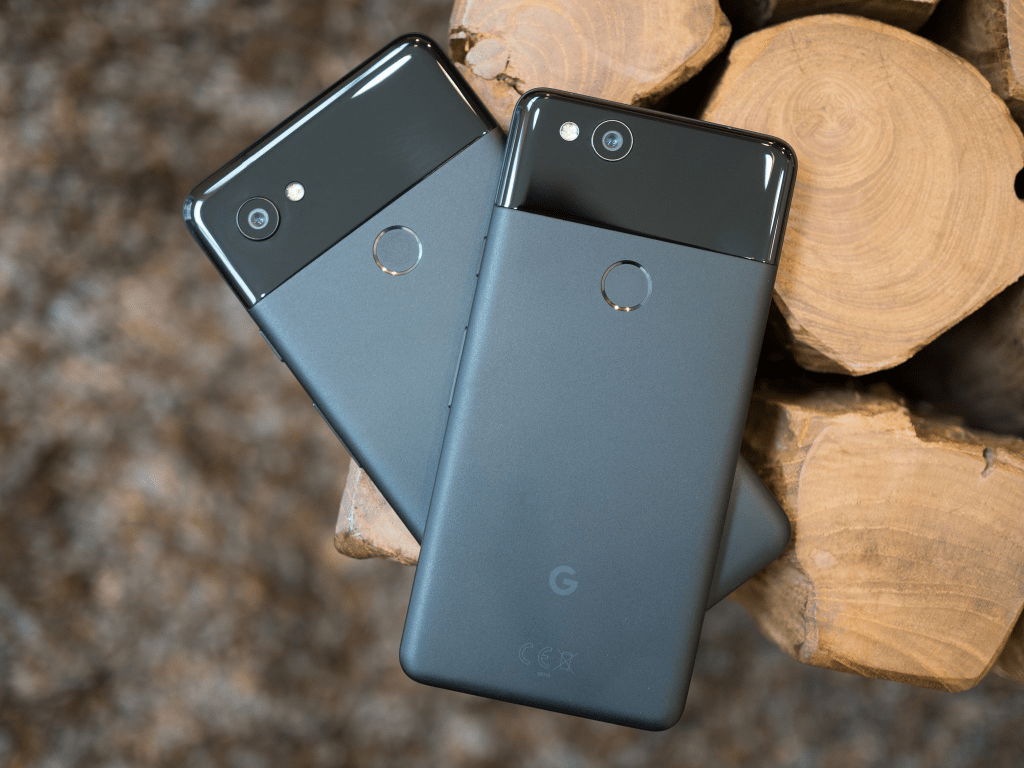
Pixel 3: Great Camera, Bad Notch (2018)
By 2018, phone design was changing. Bezels were shrinking, notches were appearing. The Pixel 3 and 3 XL tried to keep up.
- Night Sight made night photos look like daylight.
- Wide-angle selfies made group shots easier.
- Call Screen gave users a way to dodge spam calls.
But the 3 XL’s huge notch was distracting, and battery life again lagged behind rivals. Despite that, the Pixel still had the best camera in its class.
I was still just watching from afar. It was clear that people didn’t buy Pixels for design. They bought them for the camera experience.
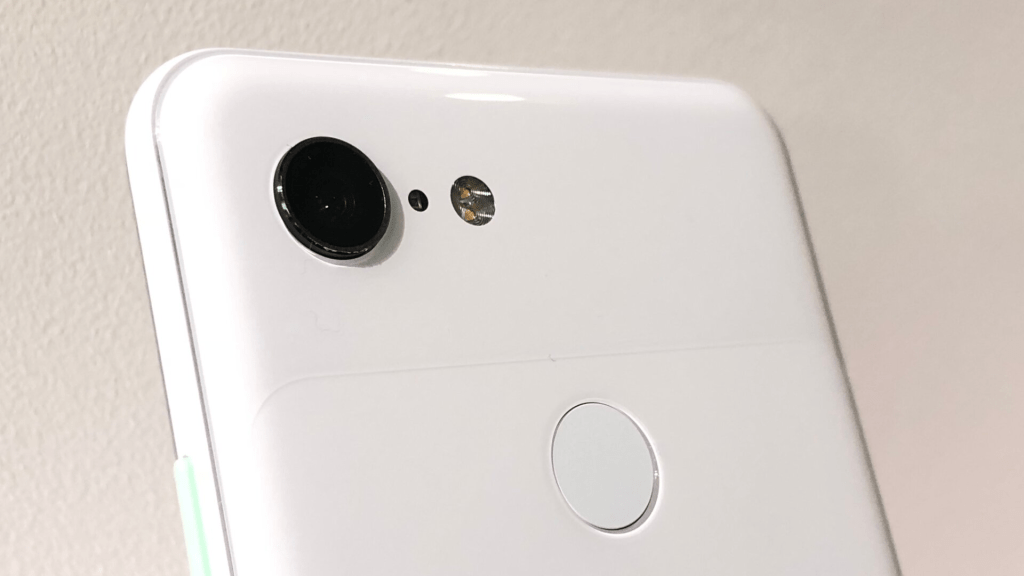
Pixel 3a: Google’s Budget Breakthrough (2019)
The Pixel 3a was the start of something new.
- Same amazing camera as the Pixel 3.
- Plastic build, slower chip, but half the price.
- Clean software and guaranteed updates.
For the first time, you didn’t have to pay flagship money to get the Pixel experience. And it worked—Google sold more 3a units than any flagship Pixel before it.
The A-series became the safety net. Whenever the flagship Pixels stumbled, the A-series kept Google relevant with solid, affordable phones.
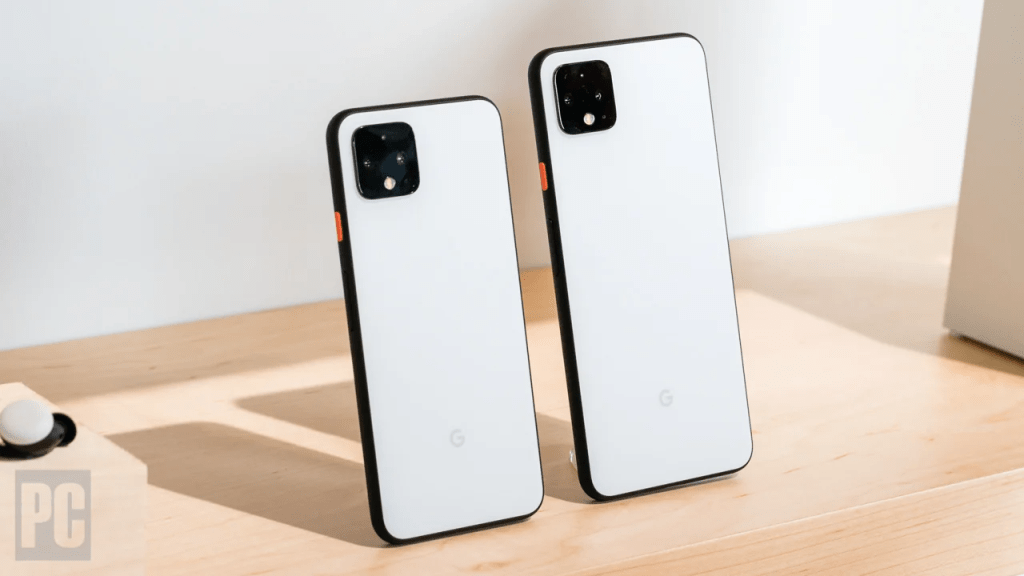
Pixel 4: Ambition Without Endurance (2019)
The Pixel 4 was ambitious, maybe too ambitious.
- Soli radar for motion gestures.
- Face Unlock that worked instantly.
- A telephoto camera for better zoom.
On paper, it sounded futuristic. In reality, it stumbled. The smaller model’s battery life was terrible. Motion Sense felt like a gimmick. Google aimed high but missed on basics.
This was the Pixel’s awkward phase. Great ideas, poor execution.
Pixel 5: A Reset (2020)
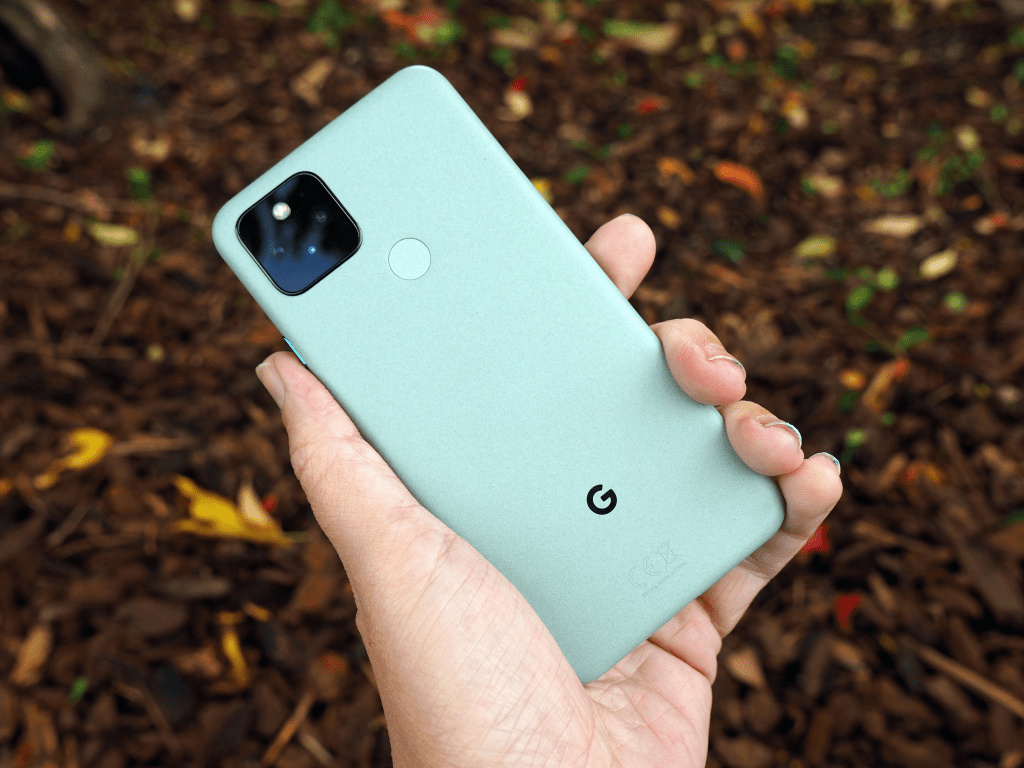
After the Pixel 4, Google took a step back. The Pixel 5 wasn’t about futuristic experiments.
- Smaller, compact design.
- Mid-range Snapdragon chip.
- Reliable cameras and better battery life.
It wasn’t flashy. It didn’t compete head-to-head with iPhones or Galaxies. But it was practical and affordable. For many, this was the Pixel that just worked.
For me, this felt like Google pressing pause—fixing the fundamentals before swinging big again.
Pixel 6: A Bold Reinvention (2021)
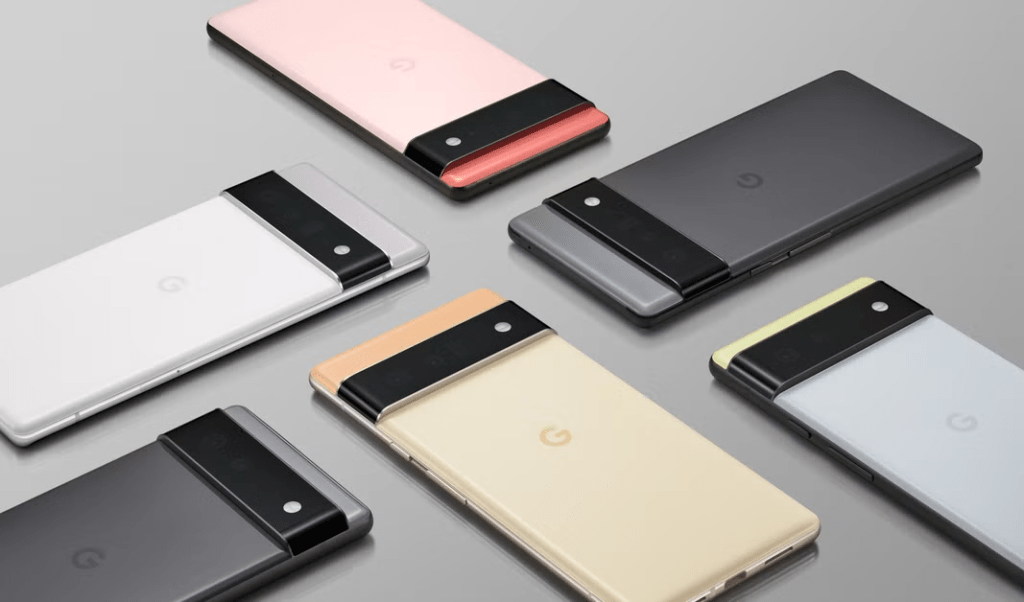
That swing came with the Pixel 6. Google introduced its own Tensor chip and a bold new design with the camera bar.
- Magic Eraser made photo editing simple.
- A massive 50MP main sensor changed Pixel photography.
- Android 12 with Material You brought fresh personalization.
It wasn’t flawless. The in-display fingerprint scanner was slow. Tensor wasn’t as fast as Snapdragon or Apple’s chips. But the Pixel 6 marked a turning point—it felt like Google finally believed in its own vision. I must admit, I didn’t like the big visor at first. However, it grew on me.
Also, this was the first Pixel I owned—the 6 Pro. After years of watching from the outside, I was finally part of the Pixel journey.
Pixel 7: Refinement and Stability (2022)
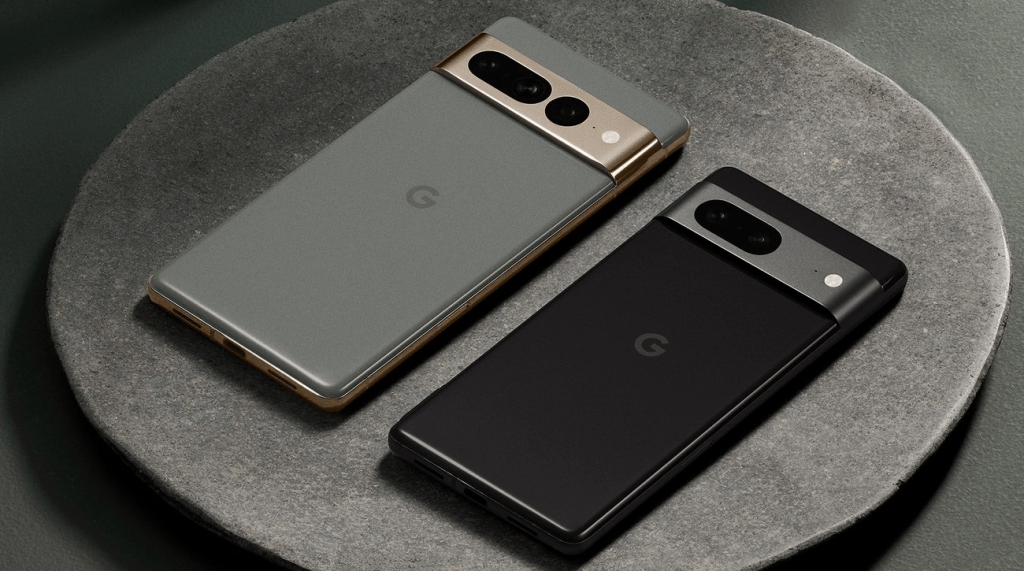
The Pixel 7 and 7 Pro refined the formula rather than reinventing it.
- Better low-light performance.
- Clearer zoom shots.
- Feature Drops kept adding useful tools.
Tensor G2 still ran hot at times, and battery life was average, but the phones were reliable. I used my Pixel 7 for two years. During that time, I felt for the first time I could recommend a Pixel to anyone without hesitation.
The magic wasn’t in flashy launches—it was in how the phone got better over time.
The A-Series: Quiet but Consistent
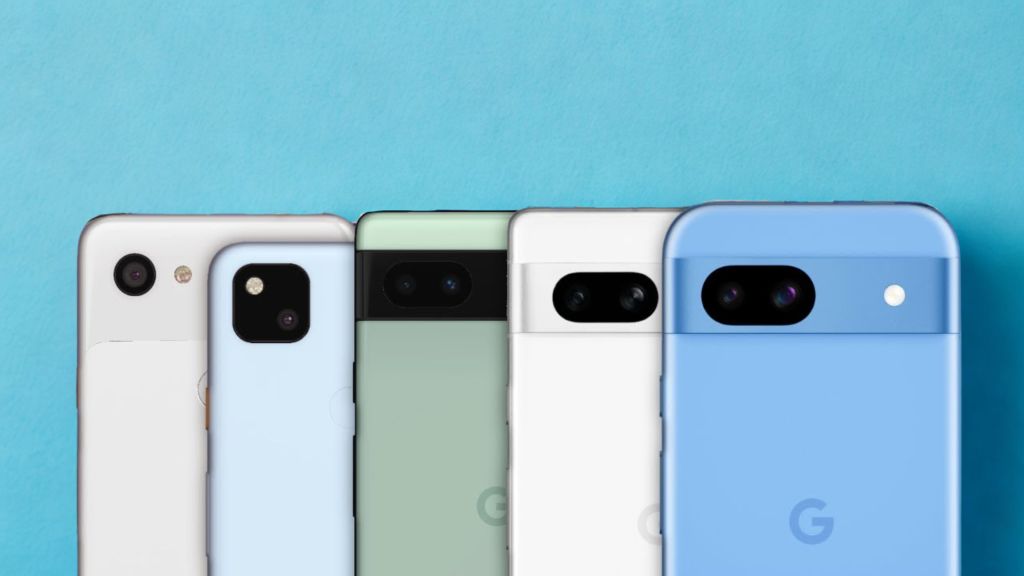
From the 3a to the 7a, these phones did what the flagships sometimes couldn’t. They offered good battery life, reliable cameras, and fair pricing.
- Pixel 4a was a fan favorite with its compact size.
- Pixel 6a nailed value and endurance.
- Pixel 7a brought wireless charging and a smoother display.
I never owned an A-series myself, but I’ve always respected it. It kept the Pixel brand alive during years when the flagships struggled.
Pixel 8: A Complete Package (2023)
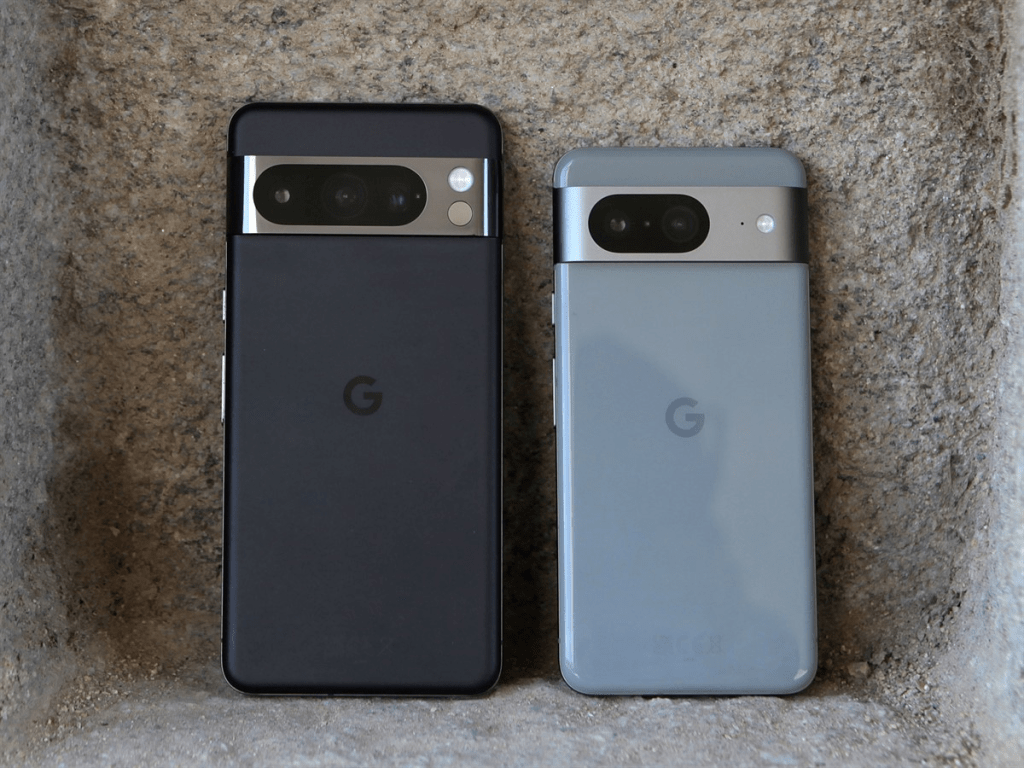
The Pixel 8 Pro is my current daily driver. And honestly, it’s the most well-rounded Pixel yet.
- AI photo editing tools feel practical, not gimmicky.
- The camera system is consistent across all lenses.
- Tensor G3 delivers smoother performance.
- Seven years of software updates promised.
It’s not perfect. Charging speeds are still slow compared to rivals, and it can heat up during heavy use. But this is the Pixel that finally feels confident in its identity—no half measures.
Pixel 9: Polished, But Familiar (2024)
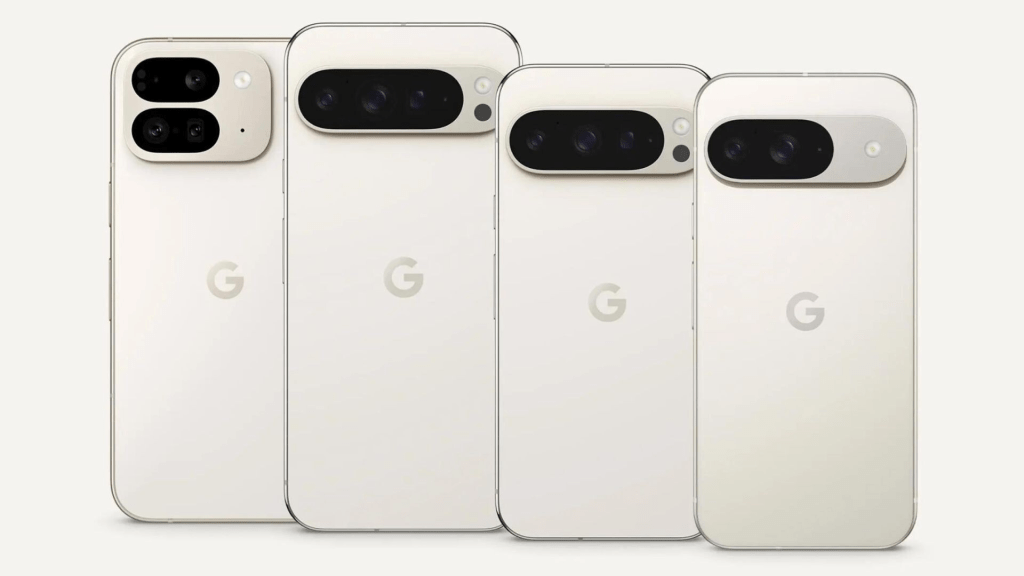
By the time the Pixel 9 launched, the formula was well established.
- Slimmer design and improved displays.
- More AI-powered features built directly into the phone.
- Ditched the optical fingerprint sensor for a much faster ultrasonic fingerprint sensor.
The Pixel 9 series was polished, but it also felt safe. Google wasn’t pushing boundaries; it was holding something back. The real milestone was yet to come.
Pixel 10: A Decade of Pixels (2025)
Ten years after the original, the Pixel 10 is here. And it’s the biggest leap yet.
- Tensor G5 built on TSMC’s process—faster, cooler, more efficient.
- Every model, even the base Pixel 10, gets a telephoto camera.
- Gemini Live, Camera Coach, and on-device AI that actually works in real time.
- Qi2 magnetic wireless charging, catching up with iPhones.
- Seven years of updates guaranteed.
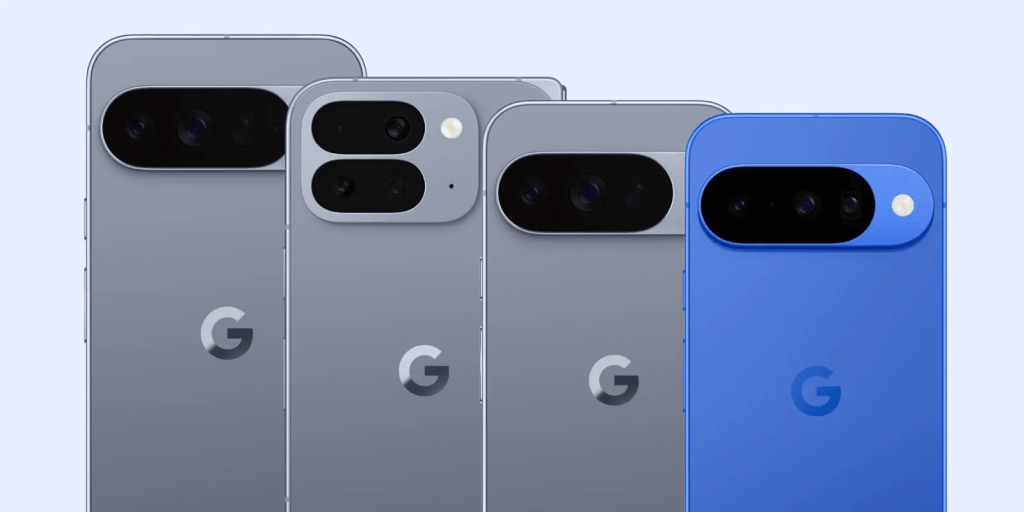
This is Google proving that a Pixel can finally go the distance; not just in software, but in hardware too.
That doesn’t mean perfection. Battery health still declines, and AI tools can be overhyped if you don’t use them daily. But compared to the chunky- bezel Pixel 1, the progress is staggering. And when I think back to the Nexus days; cheap, short-lived phones that were fun experiments- the Pixel 10 feels like the flagship Google always wanted to build.
Ten Years Later
For me, the Pixel line has always been about timing.
- In college, I could only admire them from a distance.
- When I started earning, I finally bought my first Pixel.
- Now, I’ve lived through three generations and counting.
But the real story is Google’s. From plain designs and one great camera to a complete flagship lineup. From struggling with batteries to promising seven years of support. From underdog experiments to a brand people trust.
The Pixel has grown up in ten years. And in a way, so have I.

 Plugs n Jacks
Leave a comment